

QGH EXPLAINERS
Complex technology, explained in practical terms.
Clear breakdowns of AI, cameras, processors, software and emerging technology — focused on what the feature changes for the user.
Latest explainers
Use these explainers when a feature, technology or industry shift needs context before it can help you make a better buying decision.
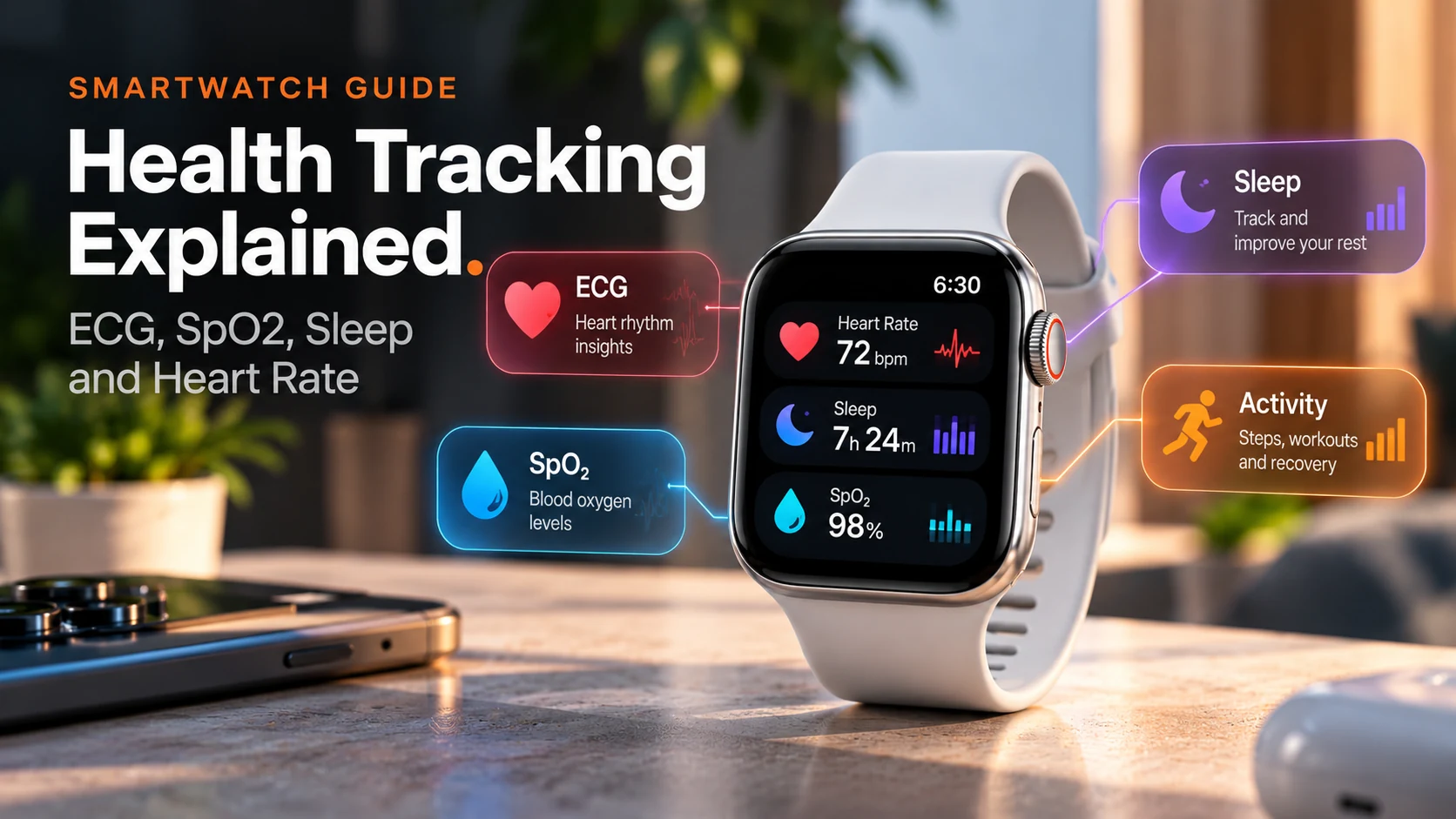
Smartwatch Health Tracking Explained: ECG, SpO2, Sleep and Heart Rate
Smartwatch health tracking explained: understand heart rate, ECG, blood oxygen, sleep, temperature and recovery metrics — and their limits.
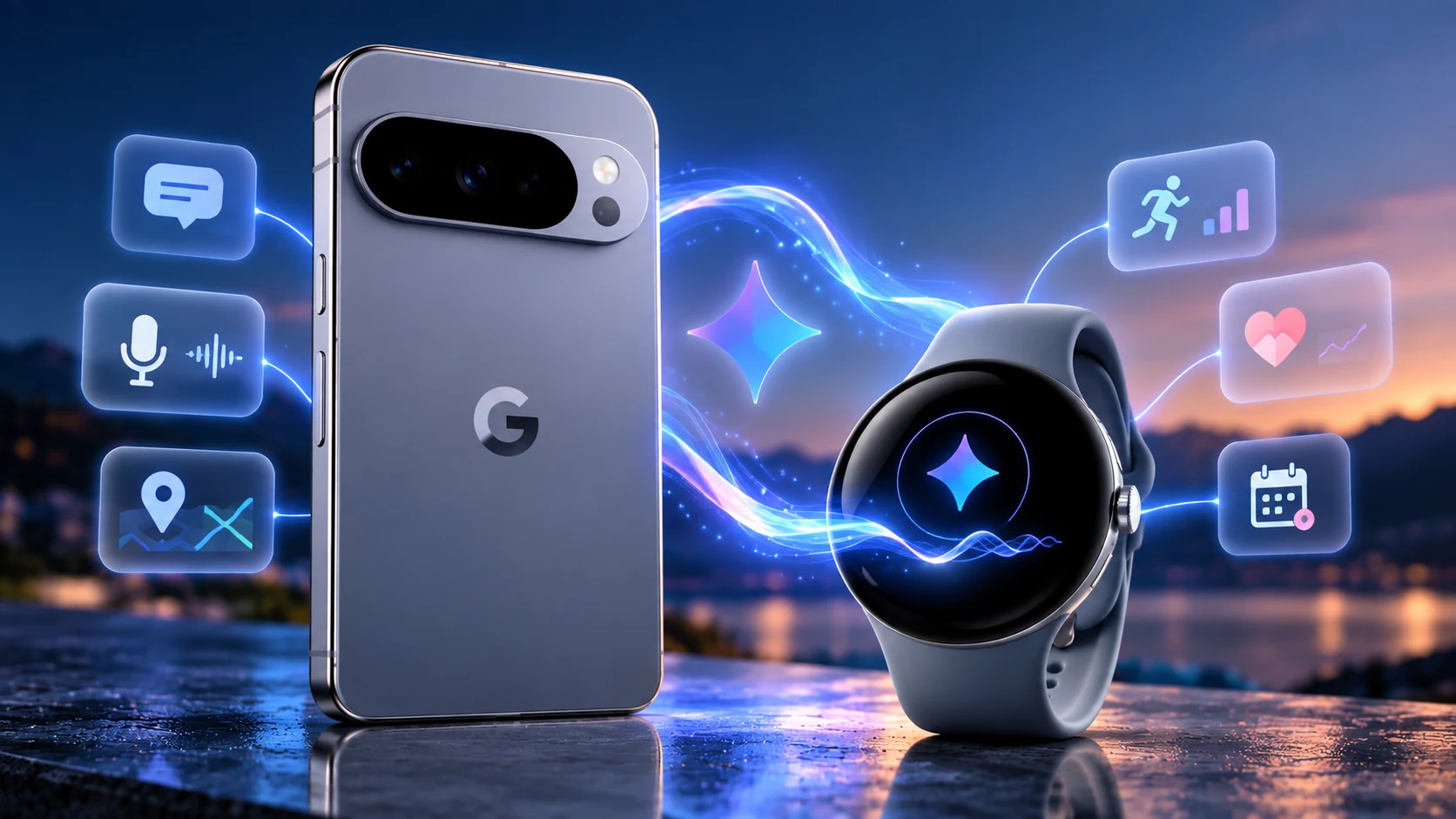
Gemini on Pixel 11 and Pixel Watch 4: What Google’s AI Actually Does
How does Gemini work across Pixel 11 and Pixel Watch 4? This research-based explainer covers Raise to Talk, voice actions,…
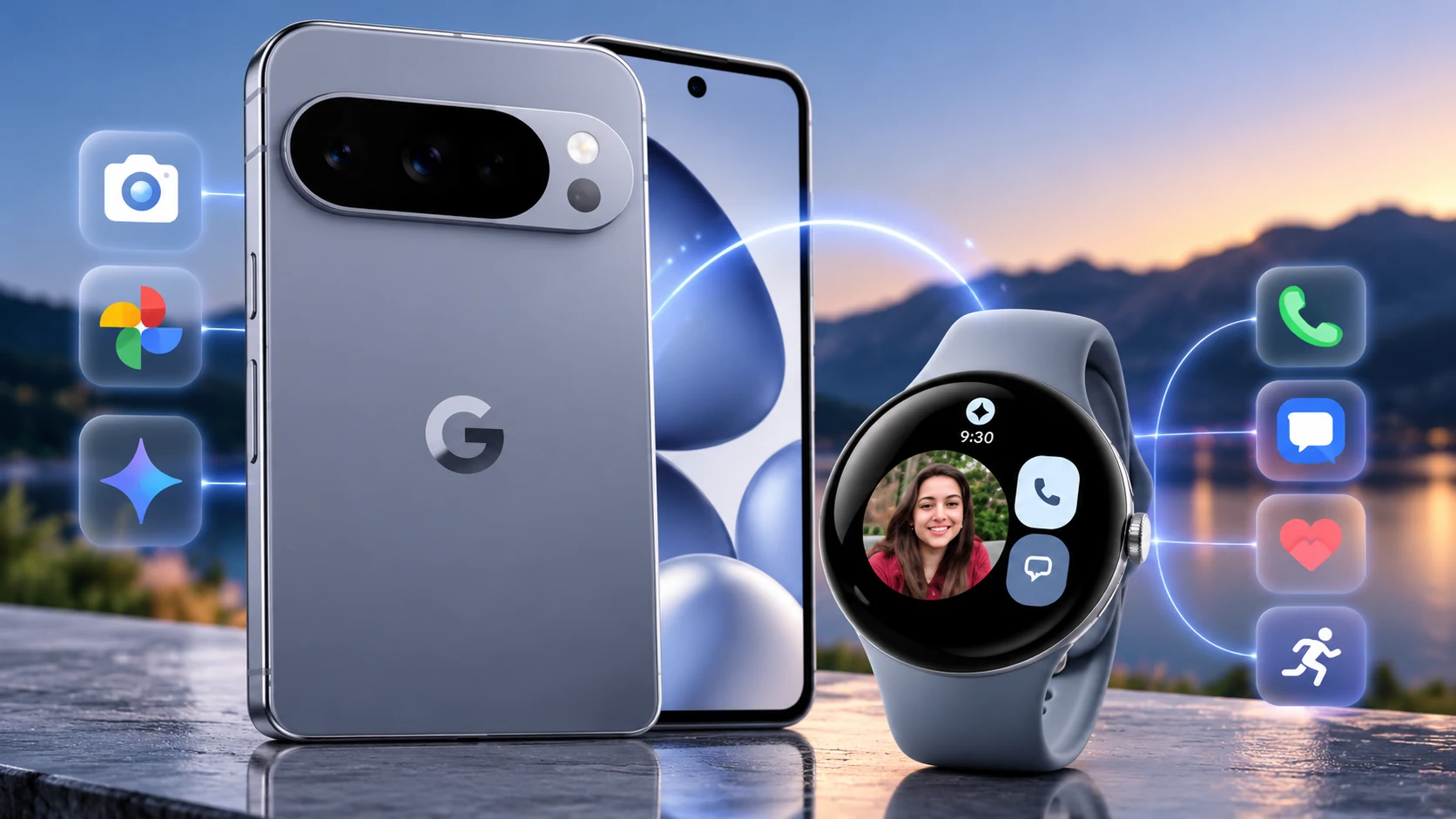
Google Pixel 11 + Pixel Watch 4: How the Ecosystem Works in 2026
What do you actually gain by pairing a Google Pixel 11 with Pixel Watch 4? This research-based guide explains calls,…
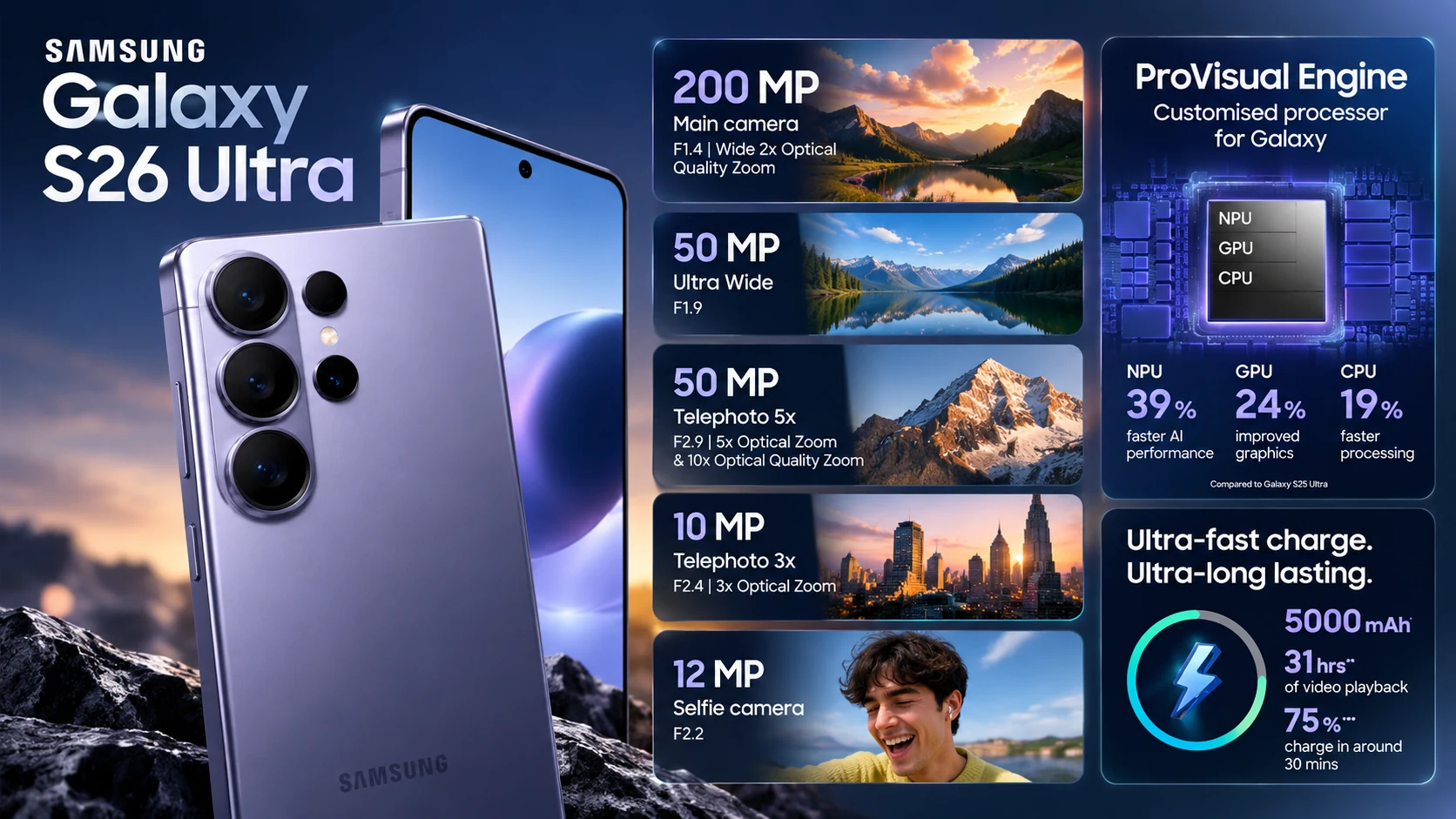
Samsung Galaxy S26 Ultra Camera Explained: 200MP, Zoom and Video
Galaxy S26 Ultra camera explained: what its 200MP main sensor, 3x and 5x telephotos, 50MP ultrawide, zoom system and 8K…
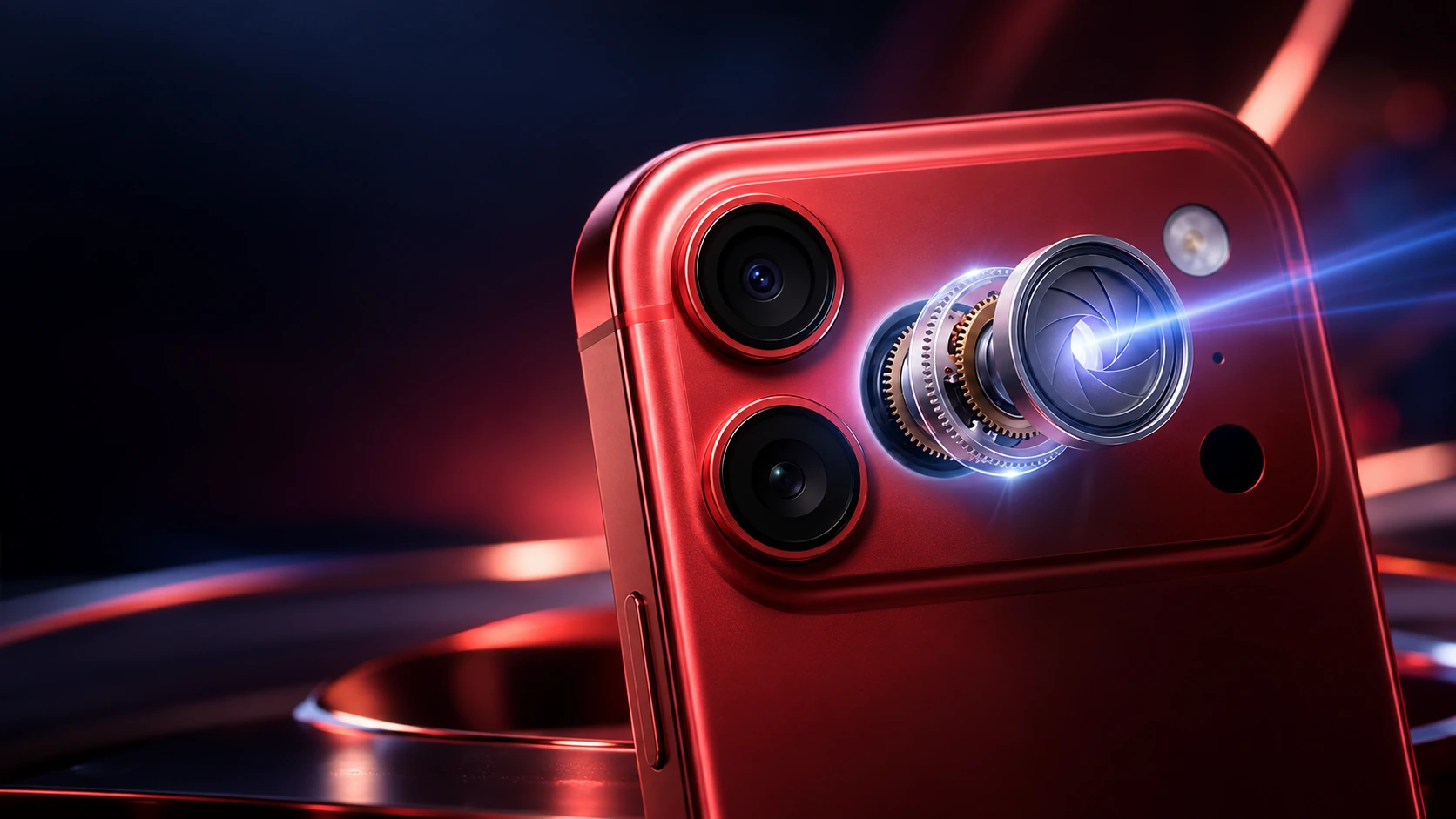
iPhone 18 Pro Variable Aperture: What It Actually Changes for Photos and Video
The iPhone 18 Pro adds a real mechanical variable aperture with four settings from ƒ/1.48 to ƒ/4.0. Here’s what it…

Snapdragon 8 Elite Gen 6 Explained: AI, Performance and What It Means for 2027 Android Phones
Snapdragon 8 Elite Gen 6 brings a 5 GHz Oryon CPU, faster Adreno graphics and more proactive on-device AI. Here’s…

Meta Muse Charm: What It Is, How It Works and Why This AI Gadget Matters
Meta Muse Charm is a pocket-sized AI device with a small touchscreen, 5G and direct access to Meta’s Muse agent.…