


QGH review methodology: Quantum Gadget Hub has not tested the Google Pixel 11 hands-on. This research-based review combines Google’s official specifications and launch information with independent testing from established technology publications. Manufacturer claims are identified as such, and pricing may change with promotions.
Quick verdict
The Google Pixel 11 is the most balanced phone in Google’s 2026 lineup. It brings Android 17, Tensor G6, 12GB of RAM, 256GB of base storage, a 6.3-inch 120Hz OLED display that peaks at 3,000 nits, a real 5x telephoto camera and Qi2.2 magnetic charging up to 25W. Its biggest strengths remain Google’s software, camera processing and long-term update support.
The problem is price. At a $899 U.S. MSRP, the Pixel 11 costs $100 more than its predecessor, while independent reviewers still report weaker sustained performance and thermal behavior than similarly priced Snapdragon-powered rivals. That makes the Pixel 11 easy to recommend to buyers who value Google’s software and camera experience, but harder to justify for gamers or buyers focused primarily on raw performance per dollar.
Design and display
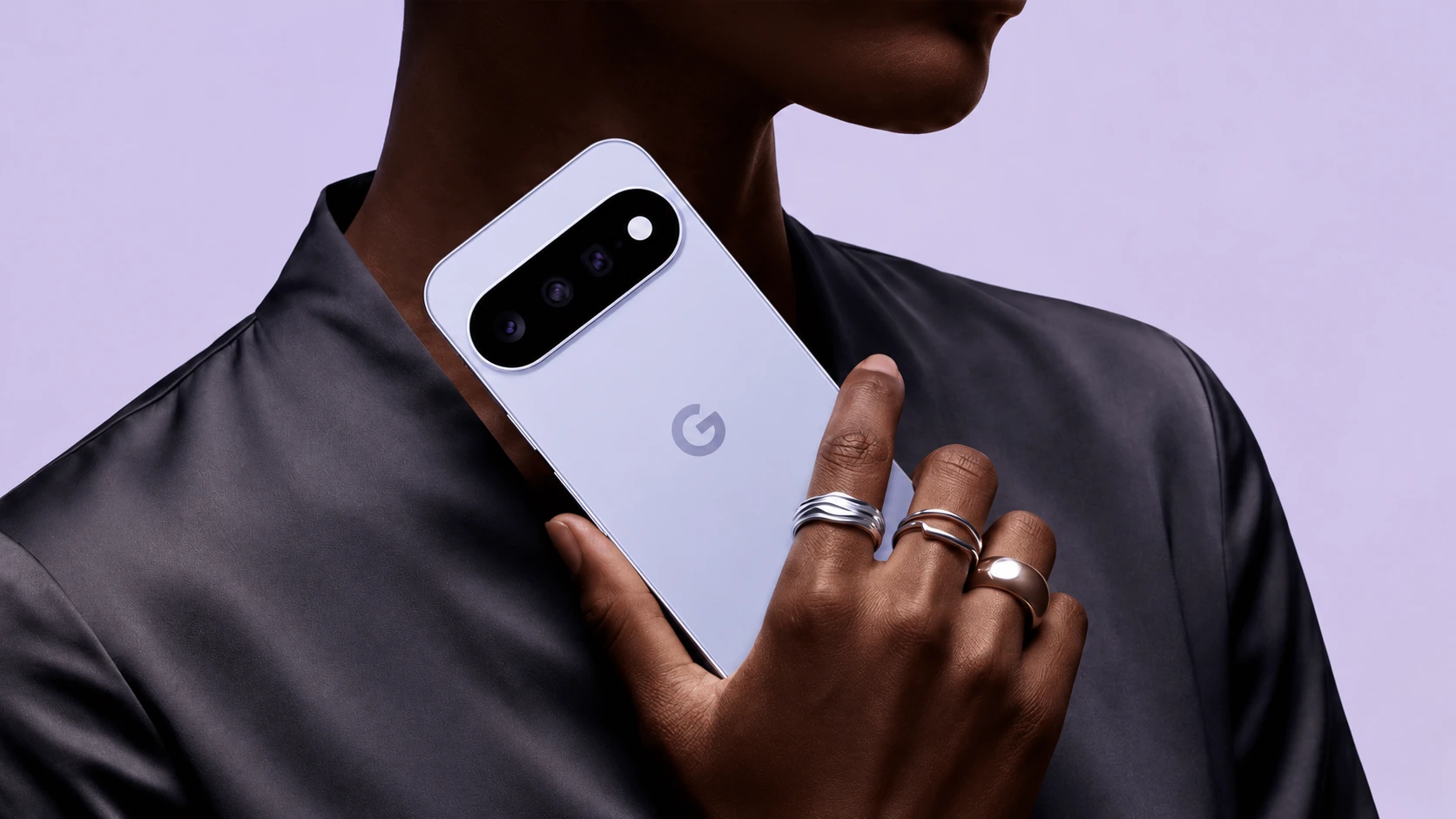
The Pixel 11 keeps Google’s recognizable design language but refines it with a slimmer edge-to-edge glass camera bar. Google says the camera bar is 40% thinner than before, reducing the visual bulk when the phone is used with a case. The phone measures about 6.0 × 2.8 × 0.3 inches and weighs 6.9 ounces.
The 6.3-inch Actua OLED display runs at 60–120Hz and reaches up to 2,000 nits in HDR and 3,000 nits peak brightness. That gives the standard Pixel 11 a genuinely flagship-level screen for outdoor visibility, even if the resolution and refresh-rate class are not radically different from the previous generation.
Tensor G6 performance and thermals
Tensor G6 powers the Pixel 11 and handles Google’s newest Gemini Intelligence features. Google positions the chip around efficiency, AI processing and everyday responsiveness rather than benchmark leadership. The phone also includes 12GB of RAM and 256GB or 512GB of storage.
Independent testing is where the main concern appears. Android Authority reported overheating and stuttering during some workloads, while Tom’s Guide also found only modest performance gains over the previous generation. The base Pixel 11 does not use the same vapor-chamber cooling approach as the Pro models, which helps explain why sustained performance can be less convincing than the software experience.
If you care primarily about gaming, emulation or sustained heavy workloads, this remains the Pixel 11’s clearest weakness. For messaging, photography, browsing, AI tools and general daily use, the experience is much more competitive.
Cameras
The rear system combines a 48MP wide camera, a 10.5MP ultrawide with autofocus and Macro Focus, and a 10.8MP 5x telephoto camera with optical image stabilization. Google supports Super Zoom up to 30x and optical-quality framing at several focal lengths.
The camera hardware is not as ambitious as the Pixel 11 Pro’s larger sensors, but the standard Pixel 11 still benefits from Google’s computational photography and new software tools. Magic Capture is one of the more practical additions: it records a short clip and uses AI to help extract cleaner still images from fast-moving moments. Camera Looks also gives users more control over the visual style of images without relying entirely on post-processing.
The result is a camera system that remains one of the Pixel 11’s strongest reasons to buy. The main limitation is that buyers who prioritize the best zoom and the most advanced camera hardware should still look at the Pixel 11 Pro.
Android 17 and Gemini Intelligence
Software is where the Pixel 11 is most distinctive. Android 17 feels clean and cohesive, while Google’s new Gemini Intelligence features are more deeply integrated across the system. Proactive Assistance can surface actions based on context, while Rambler is designed to make voice input feel more natural and less scripted.
Not every AI feature will be equally useful to every buyer, and early reviews suggest some proactive features remain inconsistent. Even so, Pixel remains one of the clearest examples of Google combining hardware, Android and Gemini into a single experience. Google also continues to offer long-term software support, which improves the phone’s value over several years.
Battery life and charging
Google lists a typical 4,985mAh battery and claims more than 30 hours of battery life under its test conditions. Wired charging can reach approximately 55% in about 30 minutes with a compatible 30W USB-C PPS charger or higher.
The more notable change is Pixelsnap wireless charging. The Pixel 11 supports Qi2.2 magnetic charging at up to 25W, making alignment easier and bringing the standard Pixel closer to the convenience Apple users already associate with MagSafe-style accessories. Independent reviews describe battery life as adequate rather than class-leading, so heavy users should not expect endurance to be the phone’s defining advantage.
Price and value
The Pixel 11 starts at $899 in the United States. That higher price is partially offset by 256GB of base storage, which is double what many previous base Pixels offered. Current Google Store promotions and trade-in deals can reduce the effective price, so live pricing matters more than the MSRP alone.
The standard Pixel 11 is also $200 cheaper than the Pixel 11 Pro while keeping the same Tensor G6 platform, 12GB of RAM and most of the core software experience. That is why several reviewers consider the regular Pixel 11 the smarter buy for most people in the lineup.
The value case becomes less convincing when compared with similarly priced Android flagships that offer stronger sustained performance. Our Samsung Galaxy S26 FE review shows how quickly pricing and promotions can reshape the decision in this segment.
Who should buy the Google Pixel 11?
- Buyers who want the cleanest Google Android experience and long-term support.
- People who value computational photography and useful AI camera features.
- Users who want 256GB of base storage and a real 5x telephoto camera without paying Pro pricing.
- Pixel owners upgrading from significantly older generations.
Who should skip it?
- Gamers and power users who prioritize sustained performance.
- Buyers who already own a recent Pixel and do not need the new camera or AI features.
- Shoppers who can find a heavily discounted competing flagship at the same price.
- Photography enthusiasts who want the Pixel 11 Pro’s larger camera sensors.
QGH final verdict
The Google Pixel 11 is a strong software-first flagship with excellent cameras, a very bright display, 256GB of base storage and one of the most complete AI experiences on Android. It is also the most sensible way into Google’s 2026 flagship lineup for buyers who do not need the Pro camera hardware.
The $899 starting price and Tensor G6’s weaker sustained performance prevent it from being an automatic recommendation. The Pixel 11 makes the most sense for buyers who value Google’s software, photography and long-term support more than benchmark leadership. Our current editorial score reflects that balance rather than a hands-on QGH test.
Where to buy and link disclosure
Merchant: Google Store. The product button links to Google’s official Pixel 11 product page. The current link is not an affiliate link. The $899 figure in this review is the U.S. starting MSRP; promotions, trade-ins and regional pricing can change.
Sources & methodology
This is a research-based editorial review, not a hands-on Quantum Gadget Hub test. Specifications and pricing were checked against the official Google Pixel 11 specifications and Google’s 2026 Pixel launch materials. Independent testing and usability observations were cross-checked against Android Authority, The Verge and Tom’s Guide. For a broader pre-purchase overview, see our Google Pixel 11 buying guide.