


QGH · documentary review
Our verdict: Shortlist Ray-Ban Meta Audio when you want calls, listening and voice assistance in a frame you would wear anyway. Confirm fit, lenses and phone support before treating the electronics as the upgrade. Choose camera-equipped glasses only when capture is a feature you actually need.
This Ray-Ban Meta Audio review assesses a camera-free approach to smart eyewear. The attraction is a familiar wearing routine with audio built into the temples. The central question is whether that combination solves a recurring problem better than your existing glasses and earbuds.
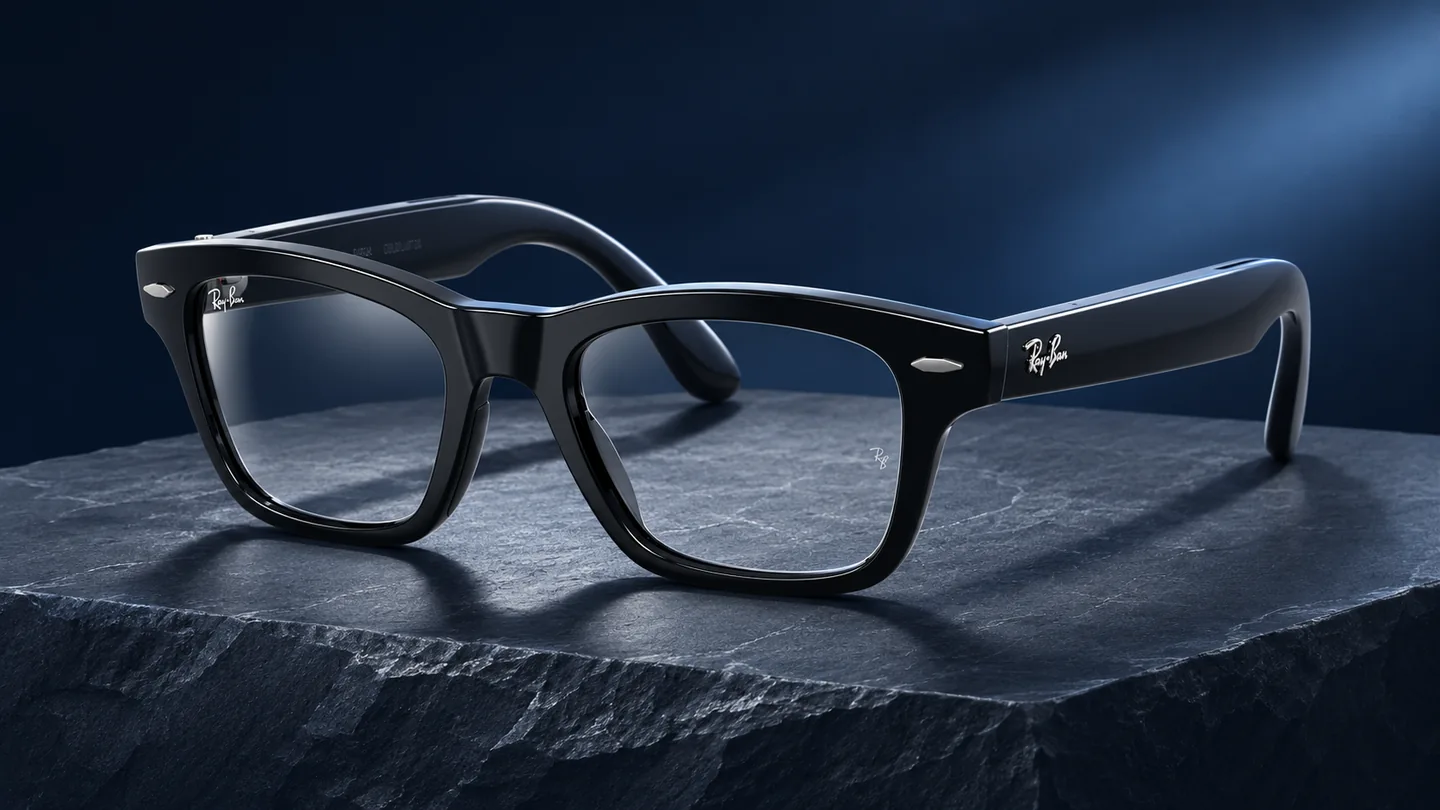
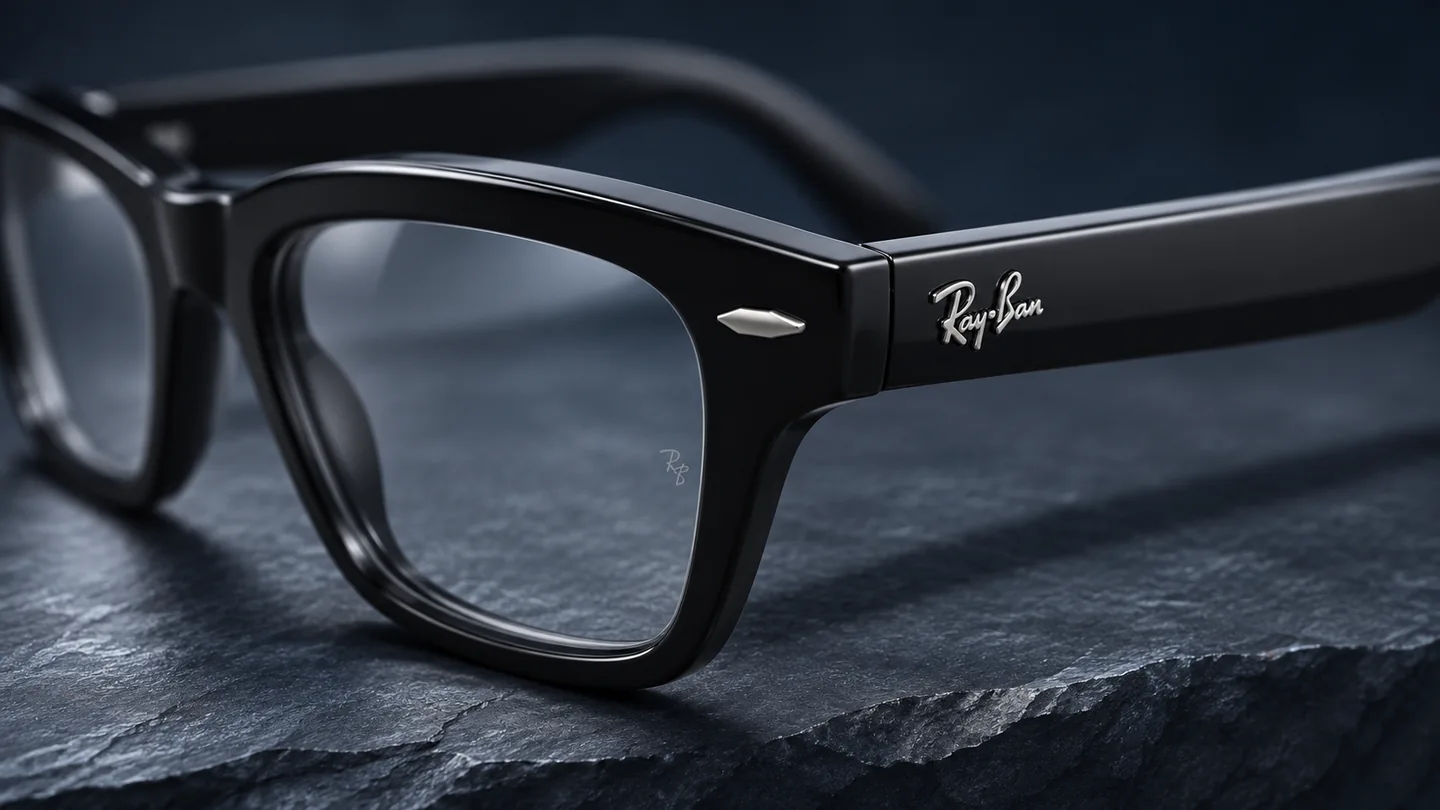
Research-based editorial assessment, checked November 3, 2026. QGH has not tested a review unit or measured sound, calls, leakage, comfort or battery life. The verdict concerns documented features and buyer fit. Images are AI-generated illustrations; no numerical performance score is assigned.
What the Audio line changes
EssilorLuxottica identifies Meta Audio as camera-free, in Clubmaster and Burbank styles with prescription options. Removing the camera changes the purpose: these glasses are for audio and voice-based functions rather than hands-free photography. It also removes a hardware choice you may not want to carry every day.
Why consider it
You already wear glasses regularly and want fewer interruptions when taking a call or starting audio.
What to examine first
Whether the chosen frame, lens and electronic feature set fit your routine well enough to replace something you already use.
Start with the hours you expect to wear them. A frame you like for a short store visit may be a different proposition through work, travel and a long evening. Consider your normal lens needs and where you currently remove your glasses. The decision should make sense as eyewear before it depends on a voice-assistant demonstration.
The fit and lens decision comes first
The launch documentation describes optician-adjustable temple tips and adjustable or swappable nose pads. Those are fitting options, not proof of comfort for your face. Ask the retailer what can be adjusted on the specific style and confirm the complete prescription order before paying.
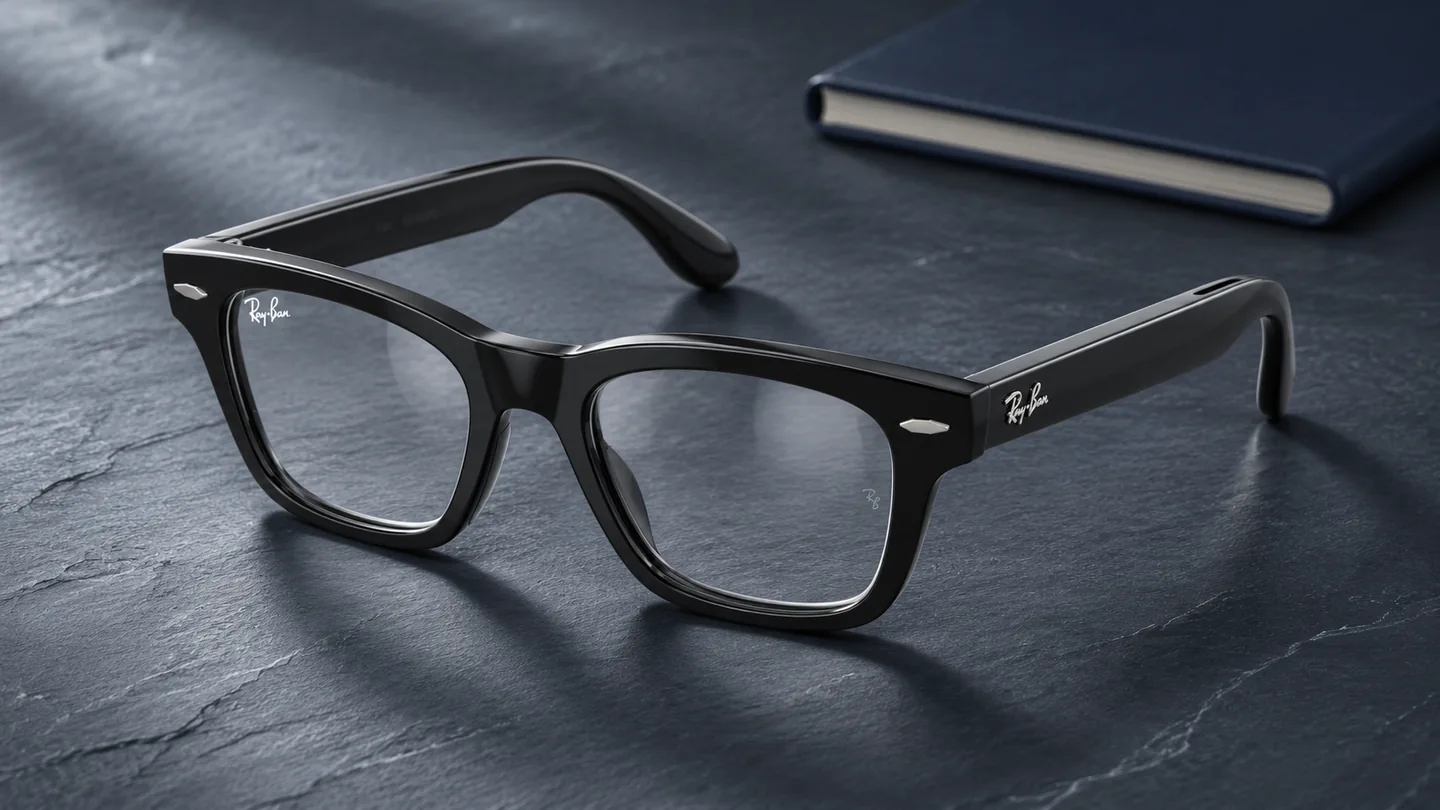
Bring the same questions you would ask about everyday eyewear: bridge fit, temple position and lens use indoors and outdoors. A supported prescription range does not mean every prescription and every lens combination is offered in every frame. Our prescription-lens checklist helps organize the order; obtain a quote for the exact Audio configuration.
Audio hardware does not establish the listening result
The checked Burbank product listing specifies two open-ear speakers, six microphones and touch and voice controls. It identifies iOS 17 or Android 10 as minimum software baselines. Verify the exact supported phone and current app requirements as well, rather than relying on the operating-system number alone.
| Check before buying | Why it matters |
|---|---|
| Your phone and current app | A feature demonstration is useful only if your own setup supports it. |
| Calls in your normal setting | Microphone count does not establish intelligibility in your office or outdoors. |
| Sound at your usual volume | Assess music, speech and what a nearby person can hear separately. |
| The controls you can reach | Confirm that operating the temples suits the way you wear the frame. |
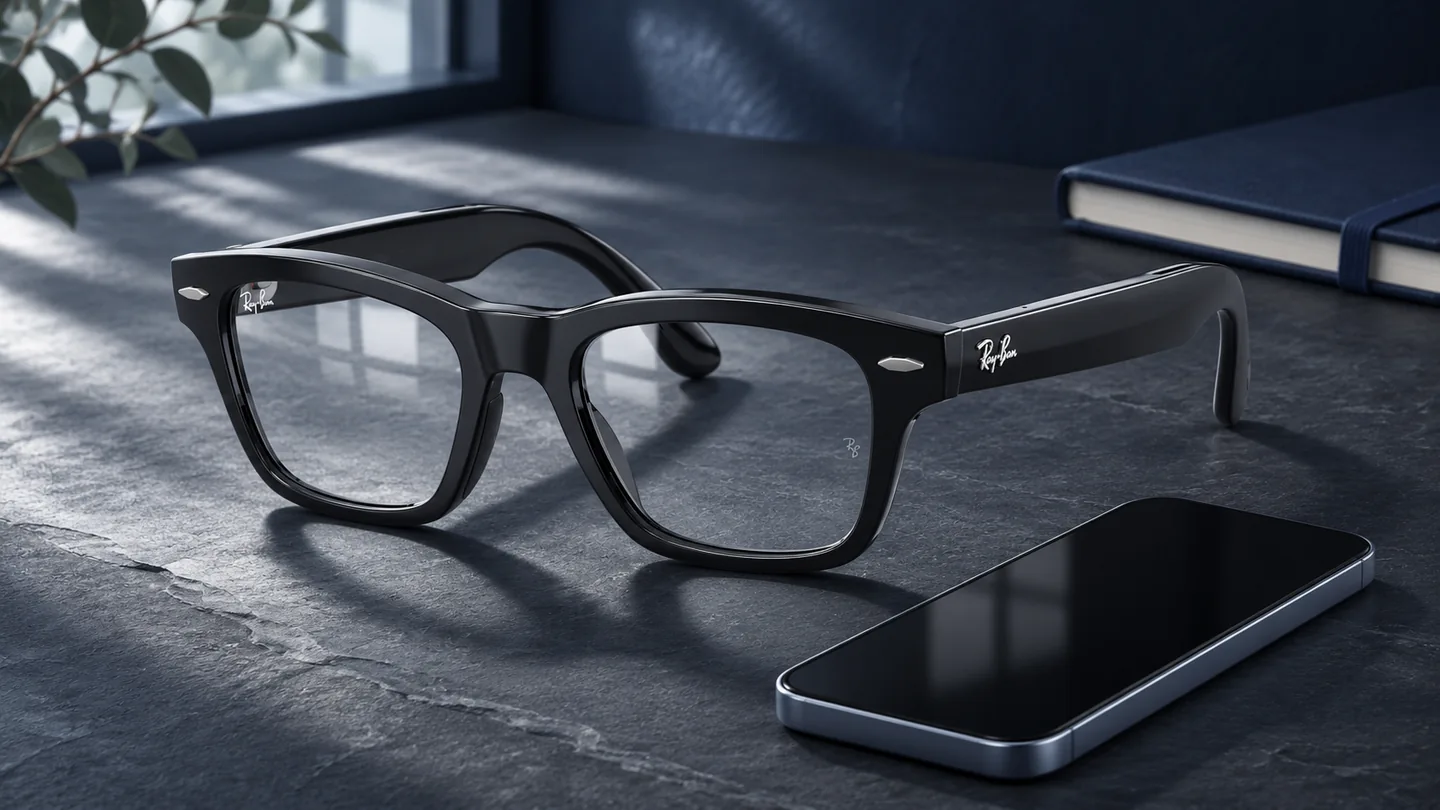
If a trial is available, use ordinary material: a spoken podcast, familiar music and a call in a representative place. Avoid making the purchase solely on a short, quiet demonstration. The relevant improvement is one you can use repeatedly, with the phone and environment you already have.
Battery claims and a realistic charging routine
Meta’s launch announcement rates Audio at up to 12 hours per charge, with up to 48 additional hours from the case, and a US starting price of $349. These are announced figures checked on November 3, not QGH endurance measurements or a current quote for every lens option.
Map charging onto your actual day. Identify where the case will stay and when you can remove the glasses. A headline battery figure is less useful than knowing whether you can comfortably recharge without losing eyewear you need. Include the lens configuration, accessories and seller terms when comparing the total purchase.
Camera-free still leaves settings to understand
A camera-free frame removes image-capture hardware from the product. Microphones, an account and connected services remain part of the experience. Read the permissions and settings for functions you enable, and check which voice features work for your country, language and account.
Our Ray-Ban Meta privacy guide separates voice controls from camera-related settings. Apply the instructions relevant to your model; the capture sections concern camera-equipped glasses. This review does not equate removing a camera with removing every privacy decision.
Who should shortlist Meta Audio?
You want camera-free audio eyewear and have confirmed frame, lens and phone fit.
You mainly need occasional calls and your current earbuds already work well.
You have a clear use for hands-free photos or video as well as audio.
Keep the purchase tied to a concrete benefit: an easier call routine, fewer separate items to manage or audio in glasses you genuinely prefer wearing. For the camera-equipped alternative, read our existing Gen 3 review. Make the choice from a recurring need, fit and confirmed features.
Questions before ordering
Can Meta Audio take photos or video?
No. The Audio line is documented as camera-free. Choose a camera-equipped line if hands-free capture is part of your purchase decision.
Does the starting price include my prescription configuration?
Do not assume so. Obtain the total for the exact frame, prescription and lens selection from the seller.
Is the battery claim a QGH test result?
No. It is the manufacturer’s announced maximum. QGH has not measured endurance, calls or sound quality.
Sources and scope
EssilorLuxottica: Audio design and fitting options · Ray-Ban Burbank product details · Meta launch announcement · Ray-Ban support. Sources checked November 3, 2026. Starting price and battery figures are dated manufacturer references. Merchant links are not affiliate links. Four new QGH illustrations use fresh external references, not WordPress media.