


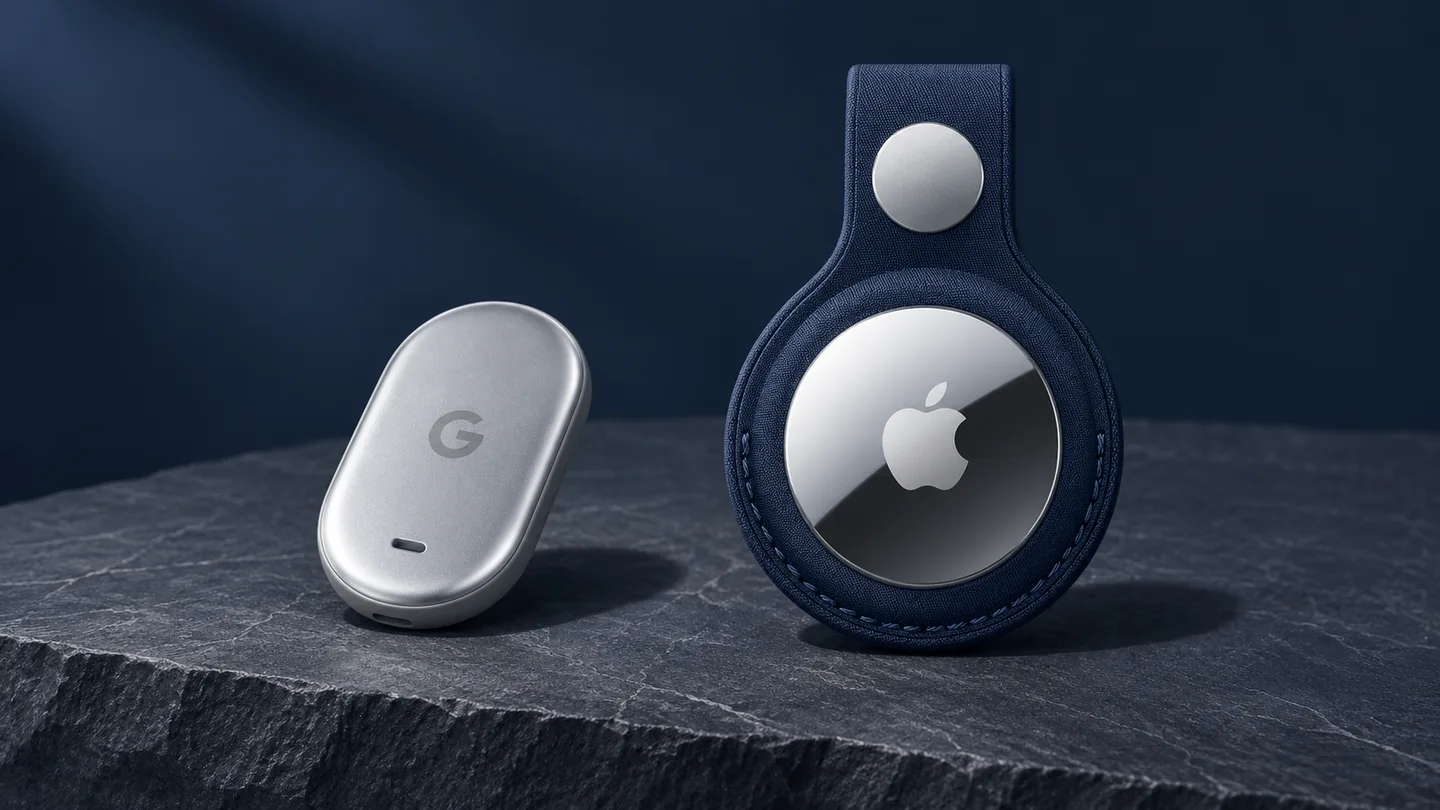
QGH · item-finder comparison
Start with the phone: Pixel Tag belongs to Google’s Find Hub ecosystem; AirTag belongs to Apple’s Find My ecosystem. Check basic compatibility separately from nearby precision finding, then compare the way you plan to attach, share and maintain the tracker.
This Google Pixel Tag vs Apple AirTag comparison uses the announced Pixel Tag and the 2026 AirTag, second generation. Google announced November 11 availability; as of our November 3 source check, its store still said coming in November. Confirm the live listing before ordering rather than assuming launch-day stock.
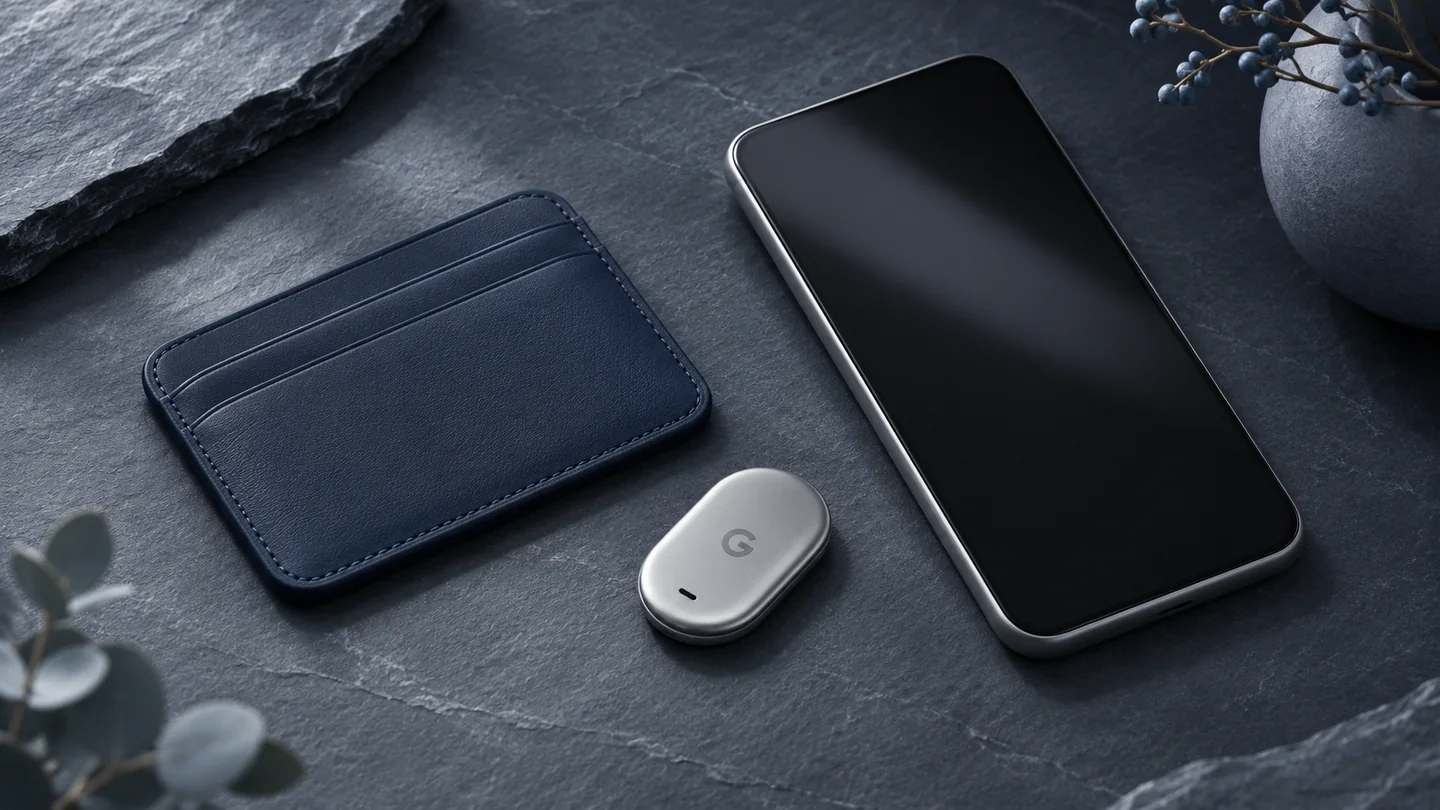
Research-based comparison of official documentation, checked November 3, 2026. QGH has not tested tracking range, refresh frequency, alarms or battery life. Three new AI-generated images illustrate the products and are not tracking demonstrations.
The ecosystem is the first filter
Google’s technical support lists Android 9 or later for Pixel Tag compatibility. Apple’s current setup guide requires iOS or iPadOS 26.2.1 or later to add an AirTag of the second generation. These are starting checks; nearby finding functions add their own hardware requirements.
| What to compare | Google Pixel Tag | Apple AirTag, 2nd generation |
|---|---|---|
| Owner ecosystem | Find Hub on compatible Android devices | Find My with a compatible Apple setup |
| Nearby finding | UWB and Bluetooth Channel Sounding, subject to eligibility | Precision Finding, subject to compatible hardware and region |
| Battery service | User-replaceable CR2032 | User-replaceable CR2032 |
| Price reference | $29 single / $99 four-pack announced | $29 single / $99 four-pack announced |
| Availability reference | Announced for November 11; confirm current stock | 2026 model announced January 26; confirm current stock |
Those equal announced pack prices do not create equal value for every buyer. A tracker in the wrong owner ecosystem is a poor purchase even if the price looks attractive. Check the phone and account that will actually manage it, including any shared household use.
Pairing and precision finding are separate capabilities
Google’s dedicated specifications distinguish Bluetooth Channel Sounding, which requires a compatible device with Android 16 and Bluetooth 6.0 or later, from UWB precision finding, which requires a compatible Android device with UWB. An Android-version check alone cannot establish all of those features.
Apple also separates precision-finding eligibility from the ability to add a tracker. Confirm the exact iPhone or watch, current software and regional availability. This comparison does not promise that every phone capable of basic setup can display the same nearby direction and distance guidance.
A nearby search and a network location answer different questions
A sound or nearby guidance can help when the item is within the relevant connection range. Away from the paired phone, Google describes Find Hub using Android devices in its network; Apple describes nearby Apple devices reporting an accessory’s approximate location through Find My.
That makes network conditions part of the result. The presence of a large network does not establish a fixed refresh interval for your particular bag or location. Read the timestamp and available guidance when searching, and avoid treating a marketing network count as a real-world range test.
Attachment, sharing and battery service matter
Choose the physical arrangement before buying a four-pack. Will a tracker sit in a wallet, need a holder for keys, or live inside luggage? A shape that suits one item can add bulk to another. Include the holder cost and check the exact product dimensions rather than judging thickness from an illustration.
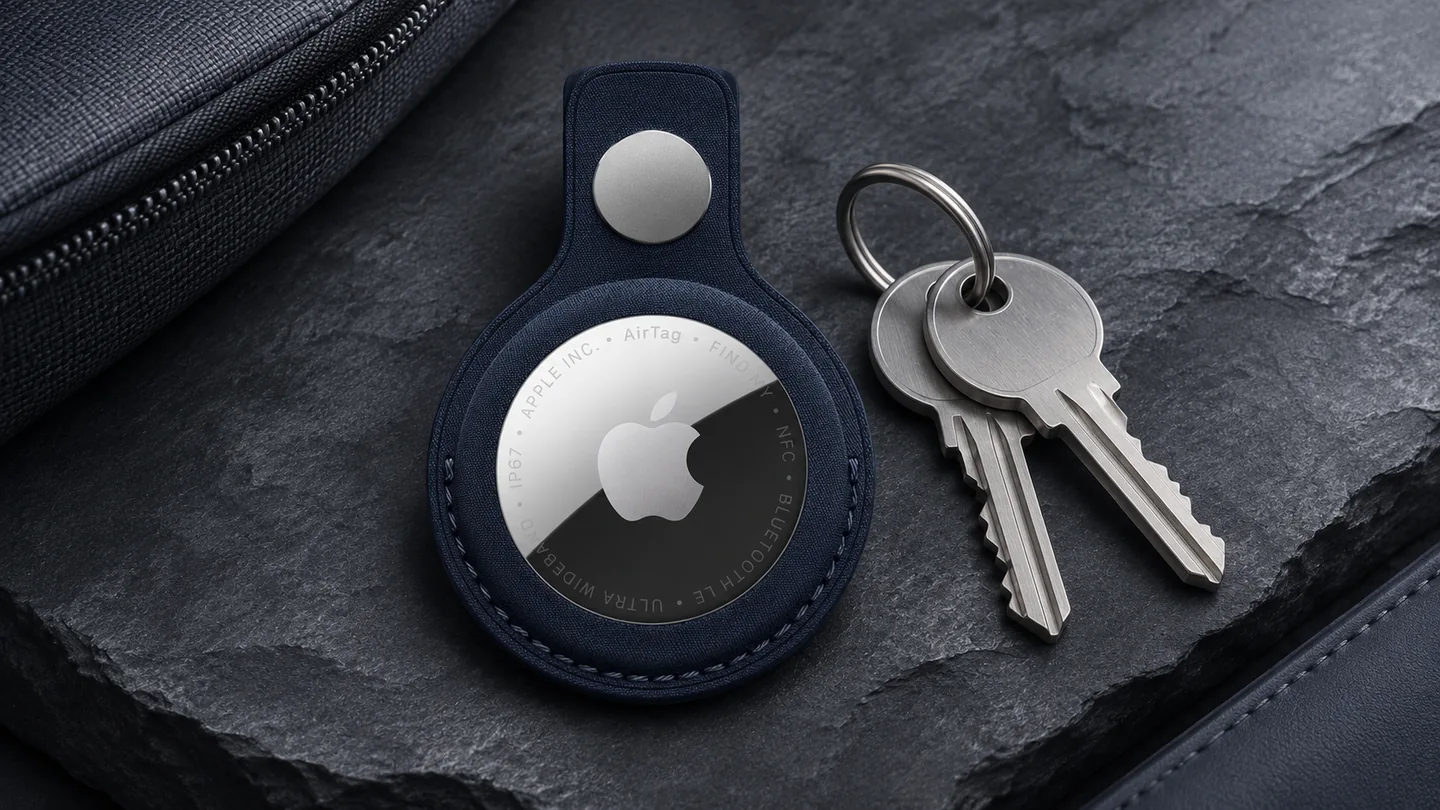
For shared items, check who can accept a sharing invitation and which account they will use. For maintenance, confirm that you can access the battery compartment and obtain the specified replacement. Both products’ documentation identifies replaceable coin cells, but that does not establish equal battery life under the same conditions.
The Pixel Tag specification and launch article use slightly different endurance wording. We do not turn either claim into a measured battery-life advantage. Set a practical reminder to check the item in its app rather than relying on a maximum-duration statement.
Buy for the items and devices you already use
Shortlist Pixel Tag after confirming your phone’s supported finding features.
Shortlist the current AirTag after checking second-generation setup requirements.
Plan ownership and sharing per item before selecting a multipack.
If a watch is part of the plan, verify the exact watch and app feature separately. Our Pixel Watch 4 review provides device context; it does not establish every new tracker feature on that watch. Keep the tracker decision tied to confirmed current support.
Questions before choosing a tracker
Can I assume Android 9 support includes Bluetooth Channel Sounding?
No. Google’s detailed specification adds Android 16 and Bluetooth 6.0 requirements for Channel Sounding on compatible devices. UWB is a separate hardware check.
Which AirTag generation is compared here?
The second-generation AirTag introduced in 2026. Its current setup requirements differ from those of the original model.
Does the comparison confirm Pixel Tag stock on November 11?
No. It records the announced launch date from sources checked November 3. Check the live seller listing, delivery date and exact pack before ordering.
Official sources and dated references
Google launch announcement · Pixel Tag detailed technical specifications · Google Store listing · Apple 2026 announcement · Apple second-generation setup guide · AirTag second-generation specifications. Sources checked November 3, 2026. Use detailed support requirements when a broad launch description differs. Prices are announced US references, not live deal quotes. Merchant links are not affiliate links.